Why Your Project Needs a Dedicated Audio Post House
Working in film, television, or advertising for any length of time teaches you that sound is half the experience. A great picture can fall flat if the audio feels thin or disconnected. That is where a specialized audio post house becomes essential. These facilities are built around one thing: making sound work with picture in a way that feels seamless and intentional.
I have spent years in LA post-production, and I have seen projects go sideways because the team treated audio as an afterthought. A typical shoot wraps, the editor cuts a rough, and someone says, "We will fix it in post." That phrase carries weight. Fixing it in post means bringing in professionals who understand dialogue editing, sound design, and mixing at a level that consumer gear cannot touch. A proper audio post house provides the room, the gear, and the expertise to do that work right.
What Happens Inside an Audio Post House
An audio post house is not just a recording studio with a different sign on the door. The workflow is distinct. The rooms are calibrated for precise monitoring. The engineers live in Pro Tools all day, and they know how to navigate Avid systems inside and out. When you walk into a facility like Spacewalk Sound in Los Angeles, you are walking into a space designed specifically for post-production. Every surface, every speaker placement, every patch bay is there to support one goal: accurate sound for screen.
The work breaks down into a few core disciplines. Sound design builds the world of the film. Foley creates the specific footsteps, cloth rustles, and prop sounds that make a scene feel real. ADR lets actors re-record dialogue that was compromised on set. Voiceover sessions bring narration or character lines to life. And mixing blends everything into a cohesive soundtrack. Each of these requires different gear and a different ear. A good mix engineer knows how to balance music and dialogue so that a commercial hits hard without overwhelming the message. A sound designer thinks in layers, building tension or release through texture and space.
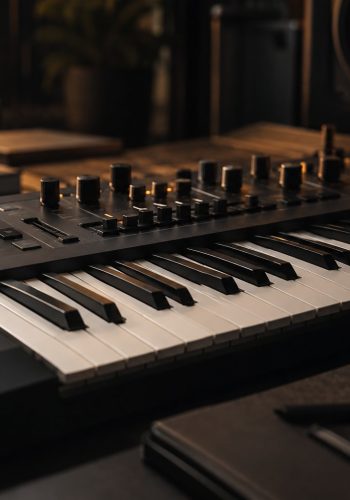
Why Location Matters in Post-Production
Los Angeles has long been the center of the post-production universe, and for good reason. The talent pool is deep. The facilities are world-class. When a trailer needs to land in a theater or a streaming platform, the mix is often done in a room that handles Dolby Atmos. That format is not just a buzzword. It changes how an audience experiences a film. Sound moves around the room. It places the viewer inside the action. Mixing in Atmos requires a room that is built for it, and an engineer who understands how to place objects in a three-dimensional sound field. That is not something you can fake in a home studio.
Being in LA also means proximity to the industry. Directors, producers, and agency creatives can sit in on sessions. They can give notes in real time. That collaboration tightens the feedback loop and leads to better work. A remote workflow can function, but there is something irreplaceable about being in the room when a mix comes together.
Commercials and Trailers: The High-Stakes Work
Commercials and trailers are a special breed. They have to grab attention in seconds. Every frame carries weight, and the audio has to match that intensity. A thirty-second spot for a major brand might go through ten rounds of revisions. The mix engineer has to keep the energy high while making sure the voiceover cuts through the music and sound effects. That requires discipline and a deep understanding of the medium.
Trailers are even more demanding. They are essentially mini-movies that have to sell a feature in under two minutes. The sound design in a trailer often sets the tone for the entire marketing campaign. A horror trailer uses silence and sudden impact. An action trailer builds rhythm through bass and percussion. A drama trailer lets music and dialogue breathe. Getting that right means working with a sound designer who understands narrative pacing, not just technical specs.
The Tools of the Trade
Pro Tools remains the industry standard, and Avid has kept it at the center of post-production for decades. That is not because other DAWs are incapable. It is because the workflow, the session sharing, and the integration with picture are mature. When a post-production studio hands off a session, the next engineer can open it and know exactly where everything lives. That consistency matters when deadlines are tight.
Beyond the DAW, the room itself is an instrument. The monitoring chain, the acoustics, the calibration. A good mix engineer can walk into an unfamiliar room and know within minutes whether it is trustworthy. A great room lets you hear what is actually there, without hype or coloration. That is why facilities like Spacewalk Sound invest in proper tuning. It is not about having expensive gear. It is about having gear that tells the truth.
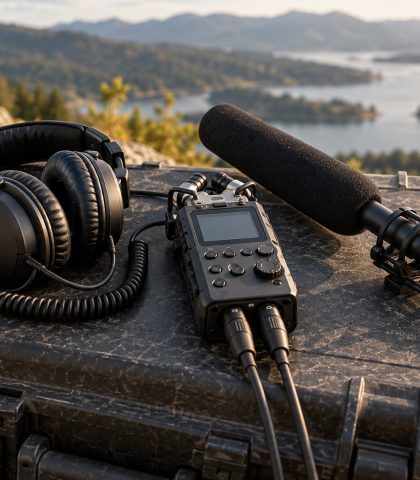
Screen Projects and the Long Tail of Audio Post
Screen projects cover a wide range. Feature films, documentaries, web series, branded content. Each has its own demands. A documentary might rely heavily on location sound that needs cleaning up. A web series might need a consistent sonic identity across episodes. A branded short might require original music and custom Foley. An audio post house that handles all of these builds a muscle for flexibility. The same room that mixed a car commercial in the morning might cut dialogue for a podcast in the afternoon.
That variety keeps the work interesting, but it also means the team has to stay sharp on multiple fronts. The tools change. The formats evolve. Dolby Atmos is becoming standard for streaming, but not every project needs it. Knowing when to push for a higher resolution mix and when to keep things simple is part of the judgment that comes with experience.
The Human Element
At the end of the day, the gear matters less than the people using it. A sound designer who understands storytelling can take a mediocre scene and make it sing. A mix engineer who respects the director's vision can elevate the whole project. And a producer who keeps the session on schedule and on budget is worth their weight in gold. An audio post house that values those relationships will do better work, plain and simple.
I have seen projects where the client walked in nervous and walked out confident because the team listened. That trust is hard to earn and easy to lose. The best facilities build it by delivering consistent quality, session after session.
Choosing the Right Partner
If you are looking for an audio post house, start with the work. Listen to their reel. But also talk to the engineers. Ask about their approach to a specific scene or spot. See if they ask questions that show they care about the story, not just the levels. A good facility will have strong opinions about sound, but they will also be flexible enough to adapt to your taste.
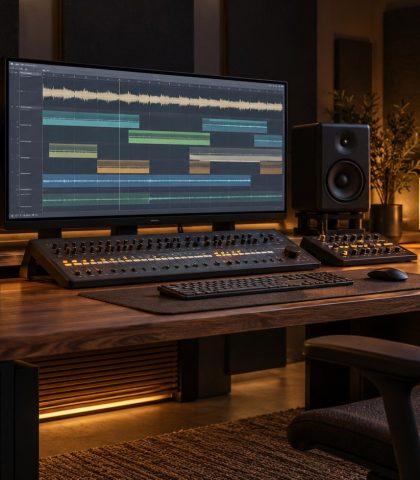
Los Angeles has no shortage of post-production studios. The difference between a good one and a great one often comes down to culture. Do they treat every project like it matters, even the small ones? Do they keep their rooms calibrated and their skills current? Do they understand the specific demands of commercials, trailers, and screen projects? The answers to those questions will tell you more than any spec sheet.
Sound is too important to leave to chance. Bringing in a dedicated audio post house is not an expense. It is an investment in how your work will be felt by the people who watch it.